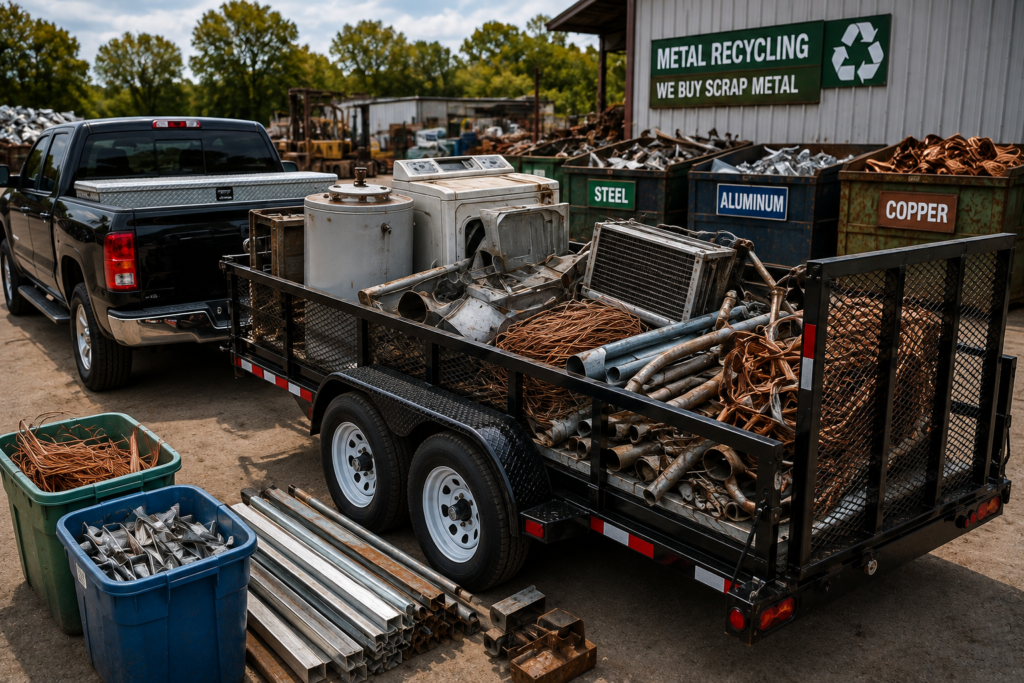
A scrap metal collection business helps homeowners, contractors, businesses, and property managers remove unwanted metal while earning income from recycling valuable materials. Instead of allowing old appliances, pipes, fencing, machinery, and construction debris to end up in landfills, scrap metal collectors transport these materials to recycling centers where they are processed and reused.
This business has relatively low startup costs, flexible working hours, and multiple ways to generate revenue. You can earn money by charging customers for removal services, selling recyclable metals to local scrap yards, or offering additional services such as junk removal, appliance hauling, trailer hauling, and estate cleanouts.
Whether you’re looking for a full-time business or a profitable side hustle, scrap metal collection can become a reliable source of income while providing an environmentally friendly service to your community.
What Does a Scrap Metal Collection Business Do?
A scrap metal collection business picks up unwanted metal items from homes, businesses, farms, construction sites, and industrial properties. The collected metal is sorted, transported, and sold to recycling facilities based on its type and current market value.
Some businesses specialize in residential pickup, while others focus on commercial accounts or construction projects.
Common Scrap Metal Collection Services
- Appliance pickup
- Old water heater removal
- Washer and dryer removal
- Refrigerator recycling
- Air conditioner removal
- Metal fence removal
- Construction scrap collection
- Copper pipe removal
- Aluminum recycling
- Steel collection
- Garage cleanouts
- Commercial scrap pickup
Many scrap metal businesses also offer junk removal services, allowing customers to remove both recyclable metals and non-metal items during the same appointment.
Why This Business Can Be Profitable
Scrap metal has value, and demand for recycled metals remains strong because manufacturers use recycled materials to produce new products. Instead of paying landfill fees, many businesses and homeowners prefer recycling whenever possible.
A scrap metal collection business can generate income in two ways. First, customers pay you to remove unwanted metal. Second, you earn additional revenue by selling recyclable materials to local scrap yards.
Additional advantages include:
- Low startup costs
- Flexible work schedule
- Strong demand year-round
- Environmentally friendly business
- Multiple income streams
- Opportunities for repeat customers
As your business grows, you can expand into junk removal, trailer hauling, appliance moving, and property cleanout services to increase your profits.
Who Are Your Customers?
Scrap metal collection businesses serve a wide variety of residential and commercial customers.
Common Customers Include
- Homeowners
- Landlords
- Property managers
- General contractors
- Roofing companies
- Electricians
- Plumbers
- HVAC contractors
- Manufacturing facilities
- Auto repair shops
- Farm owners
- Small businesses
Building long-term relationships with contractors and commercial businesses can provide a consistent supply of recyclable materials.
Types of Scrap Metal You Can Collect
Not all metals have the same value. Learning to identify different materials will help maximize your profits.
Common Recyclable Metals
- Steel
- Cast iron
- Copper
- Brass
- Aluminum
- Stainless steel
- Lead
- Zinc
- Nickel
- Electric motors
- Automotive parts
- Aluminum wheels
Non-ferrous metals such as copper, brass, and aluminum generally bring higher prices than common ferrous metals like steel and iron.
Equipment You’ll Need
You don’t need expensive equipment to get started. Many successful businesses begin with a pickup truck and utility trailer before upgrading to larger equipment.
Essential Equipment
- Pickup truck
- Utility trailer
- Heavy-duty hand truck
- Appliance dolly
- Ratchet straps
- Bolt cutters
- Cordless reciprocating saw
- Angle grinder
- Magnet for identifying metals
- Work gloves
- Safety glasses
- Steel-toe boots
- Reflective safety vest
- Toolbox
- Tarps
As your business grows, you may invest in dump trailers, skid steers, forklifts, or roll-off containers for larger commercial jobs.
Startup Costs
Startup costs vary depending on the equipment you already own.
| Item | Estimated Cost |
|---|---|
| Pickup truck (if needed) | $10,000–$35,000+ |
| Utility trailer | $2,000–$6,000 |
| Dollies and moving equipment | $500–$1,200 |
| Power tools | $500–$1,500 |
| Safety equipment | $200–$500 |
| Insurance | $1,000–$4,000 annually |
| Business registration | Varies by state |
| Website and marketing | $500–$2,000 |
If you already own a truck and trailer, many entrepreneurs can launch a scrap metal collection business for less than $6,000.
How Much Can You Charge?
Pricing depends on the size of the load, travel distance, labor required, disposal costs, and the type of metal being collected.
Typical Pricing Examples
- Single appliance pickup: $75–$175
- Small scrap metal pickup: $100–$250
- Garage cleanout: $300–$800
- Commercial scrap pickup: $250–$1,500+
- Construction site collection: Custom quote
Remember that many jobs generate two sources of income. You earn from the customer’s service fee and from selling the recyclable metals collected during the project.
How to Find Customers
Finding customers is one of the most important parts of building a successful scrap metal collection business. Every day, homeowners, contractors, landlords, and businesses need someone to remove unwanted metal safely and efficiently. By making your business easy to find online and developing local partnerships, you can build a steady stream of work throughout the year.
Create a professional website that clearly explains your services, the types of scrap metal you collect, your service area, and how customers can request a free estimate. Include photos of your truck, trailer, equipment, and completed jobs whenever possible.
You should also create and optimize a Google Business Profile. Many customers search online for “scrap metal pickup near me” or “metal recycling service,” and a well-maintained profile with positive reviews can help your business appear higher in local search results.
Great Referral Sources
- General contractors
- Roofing companies
- Electricians
- Plumbers
- HVAC contractors
- Property managers
- Apartment complexes
- Manufacturing facilities
- Machine shops
- Auto repair shops
- Farm equipment dealers
- Demolition companies
Building relationships with these businesses can provide recurring work and a dependable source of recyclable materials.
Marketing Your Scrap Metal Collection Business
Most customers search online when they need pickup services, making local SEO one of your most valuable marketing tools. Instead of relying on a single webpage, create separate service pages that target the different types of work you perform.
Helpful Service Pages
- Scrap Metal Pickup
- Appliance Recycling
- Copper Scrap Collection
- Construction Scrap Removal
- Commercial Metal Recycling
- Garage Cleanouts
- Metal Fence Removal
- Water Heater Removal
- Industrial Scrap Collection
Additional marketing ideas include:
- Google Business Profile
- Search engine optimization (SEO)
- Google Local Services Ads (where available)
- Facebook Business Page
- Facebook Marketplace
- Neighborhood Facebook groups
- Truck and trailer lettering
- Business cards
- Referral incentives
- Networking with local contractors
Consistent marketing helps establish your business as the local company people call when they need scrap metal removed.
Licenses, Insurance, and Legal Requirements
Before collecting scrap metal, research your local and state business requirements. Some areas have regulations regarding the transportation and sale of recyclable materials, and scrap yards may require identification or documentation when selling certain metals.
Many entrepreneurs choose to form an LLC to separate personal and business assets. You may also need a business license depending on your location.
Recommended Insurance
- General liability insurance
- Commercial auto insurance
- Trailer insurance
- Workers’ compensation insurance (if hiring employees)
- Tools and equipment coverage
Operating legally and carrying proper insurance helps protect your business while giving customers confidence in your services.
Safety Tips
Scrap metal collection often involves lifting heavy objects, handling sharp edges, and working around old equipment. Following safe work practices helps reduce injuries and protects your equipment.
Safe Collection Practices
- Wear heavy-duty work gloves.
- Use steel-toe boots.
- Wear safety glasses when cutting metal.
- Use dollies whenever possible.
- Secure every load with quality ratchet straps.
- Separate hazardous materials from recyclable metals.
- Lift with your legs instead of your back.
- Inspect trailers before every trip.
Developing safe work habits protects you, your customers, and your business.
Common Mistakes to Avoid
Many new business owners make avoidable mistakes that reduce profits or create unnecessary risks.
- Mixing different metals together
- Not checking current scrap prices
- Underpricing pickup services
- Accepting hazardous materials
- Working without insurance
- Using overloaded trailers
- Ignoring equipment maintenance
- Failing to sort metals before selling
- Not asking satisfied customers for reviews
- Missing scheduled appointments
Careful planning and professional service help build a reputation that generates repeat customers and referrals.
Ways to Increase Profits
One of the best ways to earn more income is by offering additional services during every pickup. Customers who need scrap metal removed often have other unwanted items that need to be hauled away as well.
Profitable Add-On Services
- Junk removal
- Estate cleanouts
- Foreclosure cleanouts
- Hoarder cleanouts
- Appliance moving
- Moving labor
- Trailer hauling
- Pallet recycling
- Garage cleanouts
- Construction debris removal
- Property cleanups
Offering multiple services increases your average job value while helping customers solve several problems with one visit.
Frequently Asked Questions
Do I need a special license to collect scrap metal?
Requirements vary by state and local jurisdiction. While many small businesses only need a standard business license, some areas have additional rules for transporting or selling recyclable materials. Check with your local government before getting started.
What metals are worth the most?
Copper, brass, aluminum, and certain specialty metals usually have a higher value than common ferrous metals such as steel or cast iron. Prices change regularly based on market conditions.
Can I start with a pickup truck?
Yes. Many successful scrap metal businesses begin with a pickup truck and utility trailer before expanding into larger trucks, dump trailers, or roll-off containers.
Should I separate metals before selling them?
Yes. Most recycling centers pay higher prices when metals are sorted by type. Learning to identify and separate materials can significantly increase your profits.
Can this business be combined with junk removal?
Absolutely. Many entrepreneurs combine scrap metal collection with junk removal, appliance hauling, trailer hauling, and estate cleanouts to maximize revenue from every customer visit.
Related Articles
If you’re building a complete moving and home service business, these guides can help you expand your services and increase your income.
- Start a Moving & Home Service Business
- Junk Removal Business
- Estate Cleanout Business
- Foreclosure Cleanout Business
- Hoarder Cleanout Business
- Appliance Moving Business
- Moving Labor Business
- Trailer Hauling Business
- Pallet Recycling Business
Final Thoughts
A scrap metal collection business is an excellent opportunity for entrepreneurs who enjoy physical work, want relatively low startup costs, and like the idea of earning income while helping keep recyclable materials out of landfills. By providing dependable service, learning how to identify valuable metals, and building relationships with contractors and local businesses, you can create a reliable source of recurring revenue.
As your company grows, consider expanding into complementary services such as junk removal, estate cleanouts, foreclosure cleanouts, appliance moving, moving labor, trailer hauling, and pallet recycling. Offering multiple property services allows you to maximize every customer visit, increase your average job value, and build a profitable business that can continue growing for years.