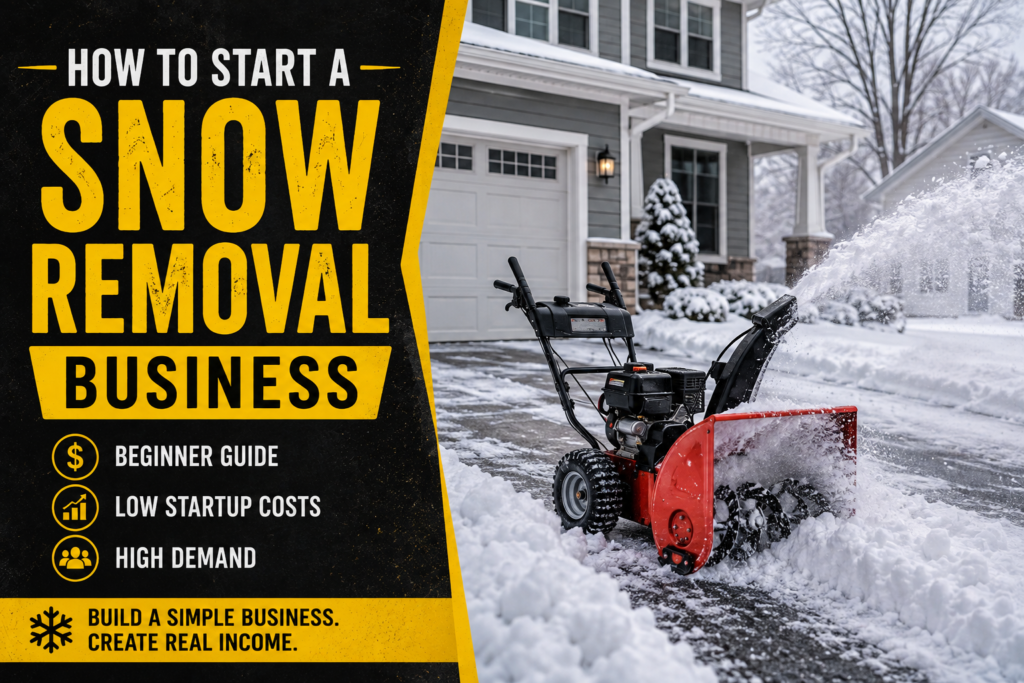
For many people living in colder climates, snow is more than just a winter inconvenience—it’s a business opportunity. Every snowfall creates an immediate need for driveways, sidewalks, parking lots, and private roads to be cleared quickly and safely. Homeowners, businesses, landlords, and property managers often prefer hiring someone rather than spending hours shoveling snow themselves.
A snow removal business is one of the few service businesses where customers often need your help immediately. This creates an opportunity to earn excellent income during the winter months while building relationships that can lead to year-round property maintenance work. Many successful lawn care and landscaping companies rely on snow removal to generate income during the off-season.
Why Start a Snow Removal Business?
Unlike many seasonal businesses, snow removal provides urgent demand. Customers don’t usually wait several weeks to schedule service. When it snows, they want someone to arrive as soon as possible.
Some advantages include:
- Low startup costs for beginners
- High demand after every snowfall
- Can be started part-time
- Excellent hourly earning potential
- Opportunity for recurring seasonal contracts
- Easy to combine with other property services
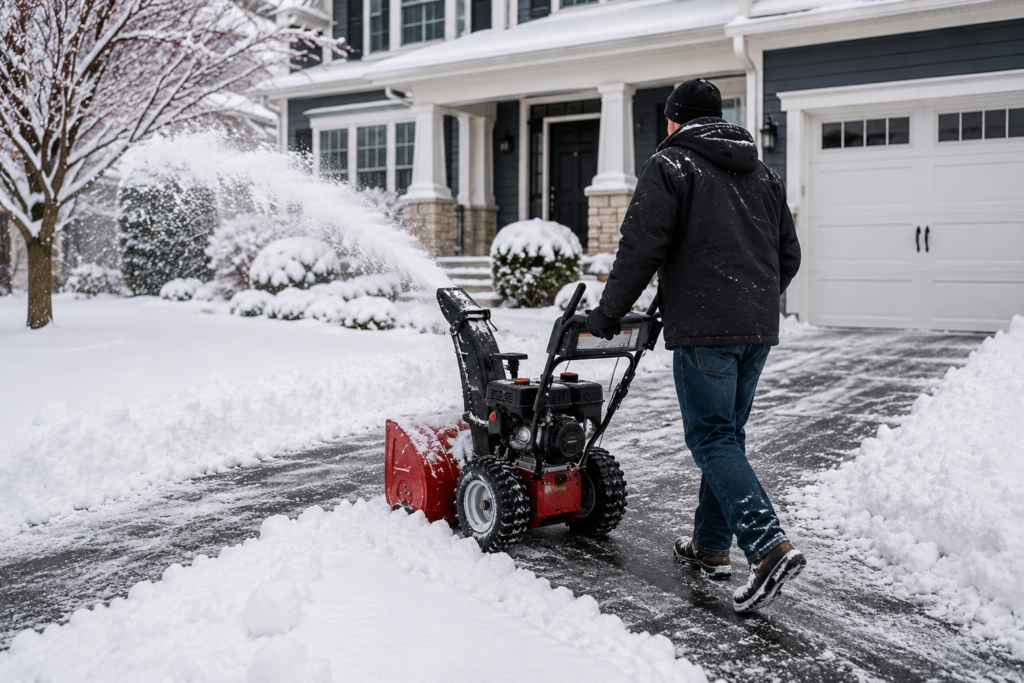
Many entrepreneurs begin with only a shovel and snow blower before eventually investing in trucks with snowplows and larger commercial equipment.
What Does a Snow Removal Business Do?
A snow removal business helps keep residential and commercial properties safe and accessible during winter weather.
Typical services include:
- Clearing residential driveways
- Shoveling sidewalks
- Removing snow from walkways
- Clearing entrances and steps
- Salting icy surfaces
- De-icing sidewalks
- Parking lot snow removal
- Snow hauling for commercial properties
Some businesses also offer emergency snow removal after heavy storms.
Skills You’ll Need
Snow removal isn’t complicated, but it requires planning, reliability, and the ability to work in challenging weather conditions.
Helpful skills include:
- Physical stamina
- Time management
- Safe equipment operation
- Customer service
- Route planning
- Dependability
Your customers depend on you to arrive when roads are dangerous and conditions are less than ideal.
Equipment You’ll Need
You can start small and upgrade your equipment as your business grows.
Basic equipment includes:
- Snow shovel
- Ergonomic snow shovel
- Snow blower
- Ice scraper
- Ice chopper
- Ice melt or rock salt
- Salt spreader
- Winter gloves
- Waterproof boots
- Reflective safety clothing
- Flashlight or headlamp
As your business expands, you may invest in:
- Pickup truck
- Snowplow
- Utility trailer
- ATV with plow attachment
- Commercial salt spreader
Startup Costs
The amount you’ll spend depends on whether you’re starting with hand tools or motorized equipment.
Typical startup costs include:
| Item | Estimated Cost |
|---|---|
| Snow blower | $500–$1,500 |
| Hand tools | $100–$250 |
| Ice melt | $100–$300 |
| Safety equipment | $100–$200 |
| Marketing materials | $50–$150 |
| Insurance | Varies |
Many people begin for $1,000 to $2,500, especially if they already own some winter equipment.
How Much Can You Make?
Snow removal rates vary by location, snowfall, and property size.
Typical pricing may include:
- Residential driveway: $40–$100+
- Sidewalk clearing: $25–$75
- Large residential property: $100–$250
- Commercial parking lots: $250–$1,000+
Some companies charge per visit, while others offer seasonal contracts that provide predictable winter income.
Because snow events are time-sensitive, completing multiple properties efficiently can significantly increase your daily earnings.
Finding Your First Customers
The best time to market your business is before the first snowfall.
Door Hangers
Target neighborhoods where homeowners may need help with snow removal, especially communities with older residents or busy professionals.
Google Business Profile
Many people search online immediately after a snowstorm. Having a complete business profile increases your chances of being found.
Facebook Community Groups
Neighborhood groups are filled with homeowners asking for recommendations after winter storms.
Seasonal Contracts
Offer seasonal agreements before winter begins. Customers appreciate knowing they won’t have to search for help every time it snows.
Referrals
Satisfied customers often recommend dependable snow removal services to neighbors and family members.
Pricing Your Services
Pricing should consider more than just the amount of snow.
Factors include:
- Snow depth
- Driveway length
- Sidewalk size
- Accessibility
- Travel distance
- Ice removal requirements
- Emergency service requests
Charging a fair price while providing reliable service helps build long-term customers.
Safety Comes First
Snow removal can be physically demanding and sometimes dangerous.
Always:
- Dress for cold weather.
- Wear slip-resistant footwear.
- Stay visible in low-light conditions.
- Use proper lifting techniques.
- Keep equipment well maintained.
- Avoid overexertion during heavy snowfall.
Working safely protects both you and your customers.
Common Mistakes to Avoid
Many new snow removal businesses struggle because of poor planning.
Avoid these common mistakes:
- Waiting until winter to advertise
- Underpricing seasonal contracts
- Overbooking routes
- Ignoring weather forecasts
- Using poorly maintained equipment
- Running out of ice melt during storms
Preparation is often the difference between a stressful season and a profitable one.
Growing Your Business
Snow removal naturally complements many other property services.
As your customer base grows, consider adding:
- Lawn care
- Leaf removal
- Gutter cleaning
- Weed removal
- Garden mulching
- Fence repair
- Driveway sealing
- Small tree trimming
Providing year-round services helps maintain steady income regardless of the season.
Is a Snow Removal Business Right for You?
If you don’t mind working in cold weather and enjoy physical work, snow removal can be an excellent seasonal business. The work often starts early in the morning or continues late into the evening, but customers value dependable service and are often willing to pay for prompt, professional help.
For many entrepreneurs, snow removal becomes an important part of a larger property services company that operates throughout the year.
Final Thoughts
A snow removal business offers an opportunity to earn income during a season when many outdoor service businesses slow down. With relatively low startup costs and consistent winter demand, it’s a practical option for anyone looking to build a service-based business.
Whether you begin with a shovel or invest in larger equipment over time, focusing on reliability, safety, and excellent customer service can help you build lasting relationships and recurring seasonal income.
Frequently Asked Questions
Do I need a truck with a snowplow to start?
No. Many people begin with shovels and a snow blower before investing in a truck and commercial plow equipment.
How do snow removal businesses charge customers?
Some charge per visit based on snowfall, while others offer seasonal contracts that cover every snowfall during the winter.
Can I start this business part-time?
Yes. Many entrepreneurs begin while working another job, especially if they can respond to snowfall before or after work.
What other services pair well with snow removal?
Snow removal works well alongside lawn care, gutter cleaning, leaf removal, driveway sealing, and other property maintenance services.
How do I prepare for winter?
Have your equipment serviced before the season begins, purchase ice melt early, and begin marketing your services before the first snowfall.
Read More
If you’re looking for more practical businesses with low startup costs, explore our Property Services guide. You’ll find beginner-friendly articles covering lawn care, gutter cleaning, leaf removal, driveway sealing, fence repair, garden mulching, and other service businesses that can help you build a reliable income.
Previous Article: How to Start a Leaf Removal Business
Next Article: How to Start a Weed Removal Business